Awakening inner peace: The transformative power of Vedanta and yoga
If you’ve ever rolled out your yoga mat hoping for more than just a good stretch, you’re not alone. Many people come to yoga for the physical benefits, but soon discover it offers something much deeper - a sense of calm, clarity, and connection that lingers long after class ends. What’s behind this feeling? The answer can be found in the ancient wisdom of Vedanta and Yoga, two closely linked traditions that have helped people find lasting peace for thousands of years.
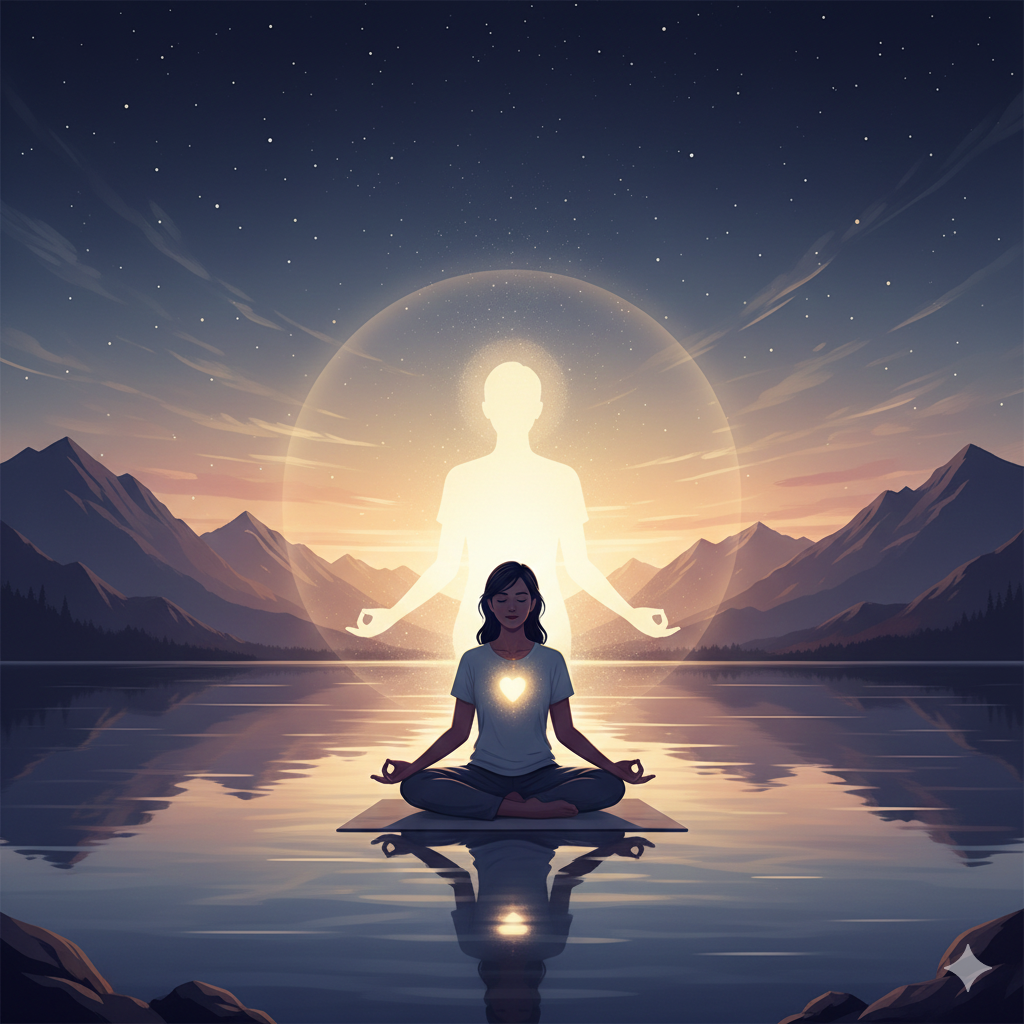
Vedanta is often described as the “science of the Self.” It teaches that beneath all our thoughts, worries, and daily roles, there’s a core part of us that is unchanging, peaceful, and whole. This isn’t just a comforting idea - it’s a perspective that can truly change how we experience life. When practicing yoga, it’s not just about moving the body; it’s about creating space to notice and connect with this deeper part of ourselves.
Yoga provides the practical tools to explore this inner world. Through mindful movement, breathwork, and meditation, the mind’s chatter quiets, allowing a sense of presence to emerge. Modern science supports these traditions: studies show that regular yoga and meditation can lower stress, improve mood, and even change how the brain responds to challenges. It’s like giving the mind a reset button, helping us respond to life with more resilience and less reactivity.
But what does “self-realization” really mean in everyday life? It’s not about escaping reality or becoming someone else. Instead, it’s about seeing ourselves more clearly - beyond the labels, the to-do lists, and even the ups and downs of our emotions. Imagine feeling at home with yourself, no matter what’s happening around you. That’s the promise of these ancient teachings, and it’s something anyone can experience, step by step.
The journey doesn’t require a mountain retreat or hours of daily meditation. Even a few minutes of mindful breathing before morning coffee, or pausing to notice the breath during a busy day, can make a difference. Reflecting on questions like, “Who am I beneath all these roles and thoughts?” or spending a little extra time in savasana, simply being, can open the door to self-discovery.
What is emerging in the modern wellness landscape is a recognition that the greatest potential for self-realization lies in the active integration of Vedantic philosophy with contemporary yoga practice. While yoga is widely practiced today, it is often approached as a physical or stress-relief activity, and Vedanta remains largely philosophical. Yet, combining the reflective, self-inquiry methods of Vedanta with the embodied, experiential practices of yoga creates a powerful, holistic path to self-realization that is especially suited to the complexities of modern life.
Most yoga classes focus on physical postures and sometimes meditation, but rarely incorporate the deep self-inquiry and philosophical reflection of Vedanta. Conversely, Vedanta study often lacks the practical, embodied component that yoga provides. The synergy of these two traditions - practiced together, not separately - can accelerate and deepen personal transformation.
For practitioners, this approach encourages going beyond the mat by integrating regular self-inquiry and contemplation into yoga routines. For teachers and studios, there is an opportunity to offer classes or workshops that blend physical practice with guided Vedantic reflection, creating a new genre of holistic wellness experiences. For researchers, this integrative approach opens new avenues for studying the psychological and physiological benefits of combining philosophy and embodied practice, potentially leading to a new field in mind-body wellness.
Ultimately, weaving together movement, breath, and self-inquiry is not just about working on the body - it’s about awakening a sense of inner peace that’s always been there, waiting to be noticed. The integration of Vedanta’s self-inquiry with yoga’s embodied practices forms a uniquely powerful path to self-realization, one that addresses both mind and body, and resonates deeply with those navigating the challenges of contemporary life.
So next time you step onto your mat, remember: you’re not just practicing poses. You’re exploring the science of your own well-being, connecting with a deeper part of yourself, and taking real steps toward a happier, more centered life.
Tips for yoga practitioners:
Incorporate self-inquiry:
After practice or during meditation, ask “Who am I beneath my thoughts?” to deepen inner awareness beyond yoga’s physical effects.
Pair movement with breath:
Link each posture to your breath to enhance calm, mood, and stress resilience by uniting body and mind.
Reserve stillness:
End with a few minutes in savasana or seated meditation, observing thoughts without judgment to reduce stress and support emotional balance.
Inspired by the research of A.J. Motilal, Ancient science of life, 1983
PMID: 22557374
