Yoga and your brain: How ancient wisdom meets modern science
If you’ve ever wondered why yoga leaves you feeling so calm, focused, and energized, you’re not alone. While many of us come to yoga for the physical benefits - flexibility, strength, or a bit of stress relief - there’s a fascinating science behind how yoga works on both mind and body. Let’s take a journey into the heart of yoga, exploring its ancient roots and the exciting discoveries modern neuroscience is beginning to reveal.
Yoga: More Than Just Poses
When you hear the word “yoga,” you might picture someone twisted into a pretzel or balancing serenely in a lotus pose. But in its original Indian context, yoga is much more than a series of postures. The word itself comes from the Sanskrit “Yug,” meaning “to yoke” or “to unite.” At its core, yoga is about integrating body, mind, and spirit - helping you feel more whole, balanced, and connected, both to yourself and the world around you.
Ancient Indian thinkers saw yoga as a way to master the mind and improve the quality of life from the inside out. They believed that our happiness and suffering are shaped not so much by the world around us, but by how we respond to it. Yoga, then, is a practical toolkit for training the mind, building resilience, and finding peace amidst life’s ups and downs.
The Many Paths of Yoga
One of the beautiful things about yoga is that it offers different paths for different people. Some find meaning in Karma Yoga, the yoga of action - doing your best in whatever you do, without obsessing over the results. Others are drawn to Bhakti Yoga, the yoga of devotion, or Jnana Yoga, the yoga of knowledge and self-inquiry. All these paths, though different in approach, ultimately lead toward the same goal: a sense of unity, fulfillment, and self-realization.
Mind Over Matter: The Science of Breath and Focus
So, how does yoga actually work on your brain and body? Here’s where things get really interesting. The ancient yogis understood that the mind is like a restless ocean, full of waves - thoughts, emotions, and distractions. Through practices like breath control (pranayama) and meditation, they learned to calm these waves, leading to greater clarity and inner peace.
Modern neuroscience is now catching up, showing that these practices can actually change the way our brains function. For example, pranayama - conscious control of your breath - gives you a direct line to your nervous system. While most of our bodily functions (like heart rate or digestion) run automatically, your breath is special: you can control it at will. By slowing and deepening your breath, you send signals to your brain that it’s safe to relax, which can lower stress, improve focus, and even help regulate your emotions.
With regular practice, yogis can develop remarkable control over their bodies. There are stories (and even scientific studies) of yogis who can slow their heart rate, change their body temperature, or go without food and water for extended periods. While these feats might sound like science fiction, they highlight the incredible potential we all have to influence our own physiology through the mind-body connection.
Unlocking New Frontiers: Yoga and Brain Plasticity
What’s truly groundbreaking is the emerging idea that yoga might allow us to voluntarily influence bodily functions that are usually automatic, like heart rate, body temperature, and even certain hormonal processes. This happens through the training of higher brain centers - think of the cortex, the “thinking” part of your brain - which, over time, can start to guide lower, automatic centers like the hypothalamus and medulla.
This isn’t just a mystical concept; it’s a hypothesis that’s starting to gain traction in scientific circles. Regular yogic practice, especially breathwork and meditation, could lead to real changes in the brain’s structure and function, particularly in areas responsible for self-regulation and awareness. In other words, yoga may actually help “rewire” your brain, expanding its capacity and potentially altering how it regulates your body.
For scientists, this opens up a fascinating new frontier - imagine adults intentionally training their brains to modify functions once thought to be completely out of conscious control, not just through gadgets or biofeedback, but through traditional yogic methods. For yoga practitioners, this means yoga is far more than a tool for relaxation or fitness; it’s a pathway to deeper self-mastery, empowering you to influence your own stress responses, emotional states, and even aspects of physical health once considered untouchable.
Some even envision a future where dedicated yogic training could lead to the growth or functional expansion of certain brain regions - much like how astronauts train their bodies for space, but here, the training is for the mind. This could mean heightened states of consciousness, greater resilience, or even abilities that seem superhuman by today’s standards.
Yoga for Everyday Life
You don’t have to be a Himalayan sage to benefit from yoga’s mind-body magic. Even simple practices - like sitting comfortably, focusing on your breath, and letting go of distractions - can help you feel calmer and more centered. Over time, these habits reshape your brain, making it easier to handle stress, stay focused, and bounce back from challenges.
Yoga also encourages us to cultivate positive qualities like kindness, truthfulness, and self-restraint. These aren’t just moral guidelines - they’re practical tools for creating a more peaceful, fulfilling life.
The Takeaway: Yoga Is a Living Science
Yoga isn’t just an ancient tradition or a trendy workout - it’s a living, evolving science that anyone can practice. Whether you’re on the mat for fitness, stress relief, or spiritual growth, you’re tapping into a tradition that’s been exploring the mind-body connection for thousands of years.
As modern science continues to explore the effects of yoga on the brain and nervous system, one thing is clear: this ancient practice offers powerful tools for health, happiness, and self-discovery. So the next time you unroll your mat, remember - you’re not just stretching your body. You’re training your brain, calming your mind, and connecting with something timeless. And perhaps, you’re also unlocking potentials within yourself that science is only just beginning to understand.
Ready to experience the science of yoga for yourself? Take a deep breath, find a comfortable seat, and let your journey begin.
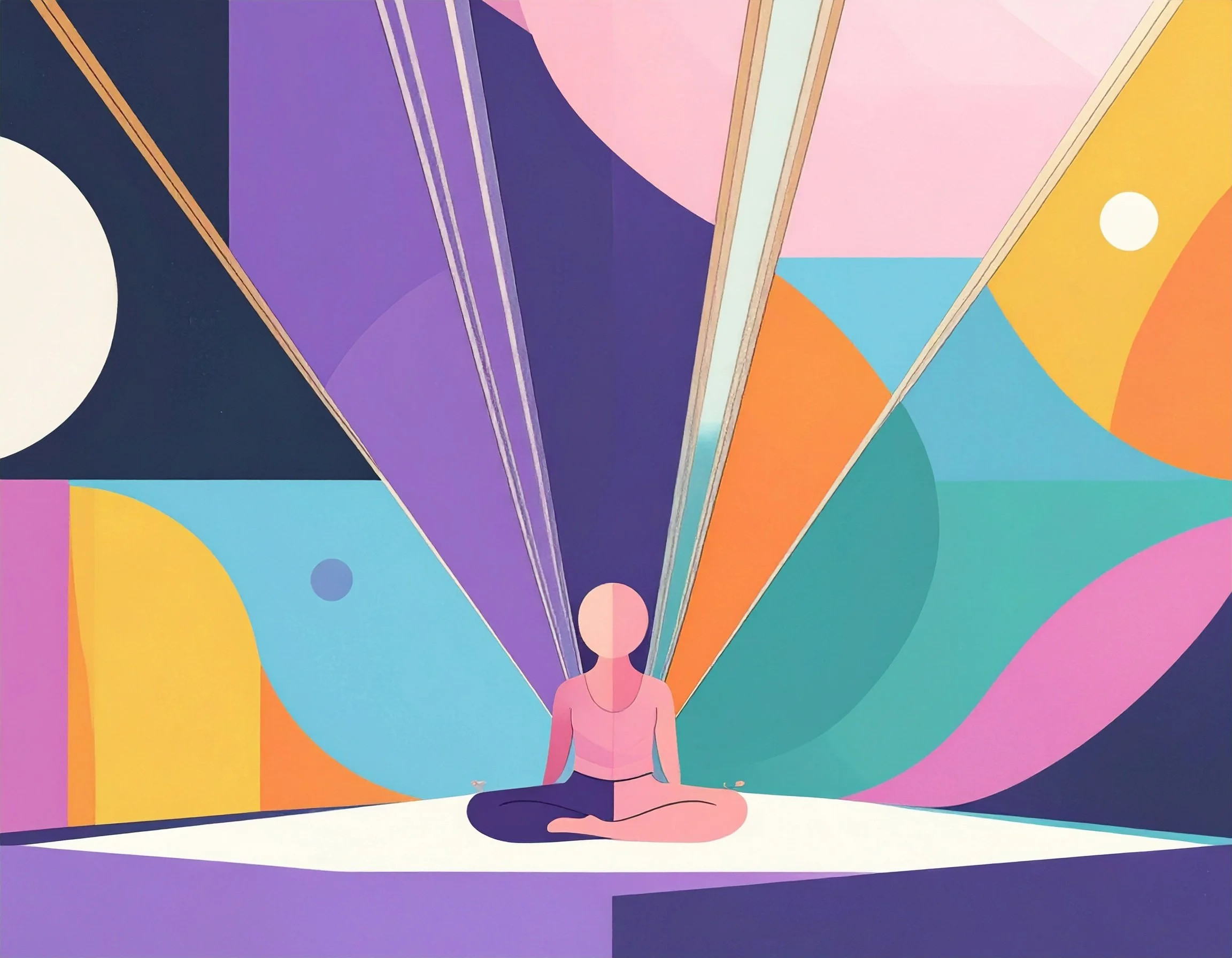
Tips for yoga practitioners:
Prioritize Breath (Pranayama) Why: Breath regulates nervous system, stress, and emotions. How: Spend minutes per session on deep belly or alternate-nostril breathing; increase gradually.
Use Comfortable Postures (Asanas) Why: A stable, relaxed seat supports breath and focus. How: Sit tall with props as needed; keep relaxed and steady breath.
Cultivate Mindful Focus Why: Builds calm, balance, resilience. How: Daily minutes on breath or mantra; gently return from distractions; observe thoughts without judgment.
Summary: Breath, steady posture, and mindful focus yield clarity, emotional balance, and self-mastery.
Inspired by the research of B Ramamurthi, Ancient science of life, 1981
PMID: 22556457
