Finding calm in chaos: How yoga ashrams help us release stress and rediscover ourselves
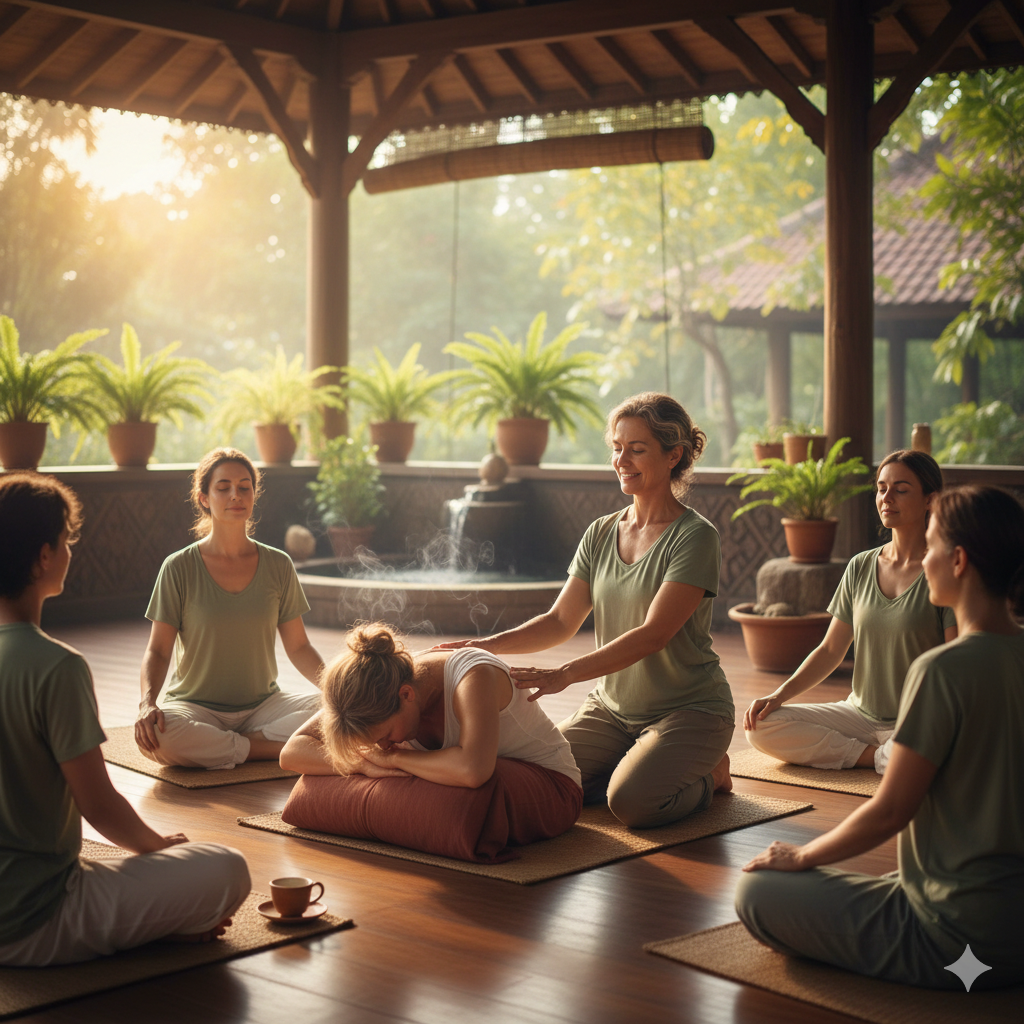
Imagine a place where the relentless pace of modern life slows down, where community, mindfulness, and movement come together to foster healing and peace. This is the essence of a yoga ashram - a spiritual home where people from all walks of life come to escape stress, heal old wounds, and rediscover balance. While yoga studios and wellness retreats are increasingly popular, the traditional yoga ashram offers something even deeper: a chance to transform not just your body, but your mind and spirit as well.
At the heart of the ashram experience is the idea that much of our stress comes from clinging to expectations - about ourselves, others, and how life "should" be. Yogic philosophy teaches that suffering arises when we fixate on desires or outcomes. In everyday life, this might look like worrying about the future, dwelling on the past, or constantly striving to meet impossible standards. Within the ashram, residents learn to let go of these attachments, gradually releasing the tension that builds up inside them.
One of the most powerful lessons in the ashram is self-acceptance. The guru - whose calm presence and wise teachings guide the community - encourages everyone to embrace who they are, imperfections and all. Instead of chasing an idealized version of themselves, residents learn to be present with their feelings and experiences. This shift in mindset can be life-changing, especially for those who have spent years feeling pressured by society’s expectations.
For many, the journey begins with a simple workshop or retreat. Here, people often experience a dramatic release - sometimes through tears, laughter, or spontaneous movement. These moments, called "letting go" in the ashram, can be intense but also profoundly healing. They offer a glimpse of what it feels like to be truly free from stress, even if just for a short time. This experience is so powerful that many visitors decide to stay longer, drawn by the promise of lasting peace.
Daily life in the ashram is designed to support this ongoing transformation. Each morning, residents practice yoga postures and breathing techniques that help release physical and emotional tension. The ashram’s approach to yoga is flexible and intuitive, encouraging spontaneous movement as well as traditional poses. This helps people connect more deeply with their bodies and emotions, making yoga a living practice rather than just a series of exercises.
Evenings are spent together in satsanga, a time for chanting, meditation, and sharing stories. These gatherings create a sense of belonging and provide comfort and support. Chanting and meditation are not just rituals - they’re tools for relaxation and emotional release, with research showing that these practices can trigger the body’s natural relaxation response.
Food also plays a key role. The ashram’s vegetarian diet, free from sugar, caffeine, and processed foods, helps residents break free from stress-related eating habits. Many discover that eating mindfully and moderately helps them feel calmer and more centered throughout the day.
Perhaps the most important aspect of ashram life is the relationship between the guru and the residents. The guru serves as a living example of what it means to live with peace and acceptance. Through group discussions and one-on-one interactions, the guru helps residents see how their own thoughts and beliefs contribute to their stress. This process is similar to therapy, but with the added benefit of a supportive community.
What’s especially fascinating is how a yoga ashram can be seen as a living, group-based model of yogic psychotherapy. Traditionally, yoga is viewed as a personal practice focused on postures, breathwork, and meditation. Yet, the ashram environment - its structure, daily routines, communal living, and the presence of a guru - creates a unique, real-time laboratory for personal transformation. Unlike conventional therapy, which often takes place in private, the ashram uses community living and shared experiences as a form of group therapy, guided by yogic philosophy.
The group setting allows individuals to witness and learn from each other’s emotional releases and breakthroughs. This collective process accelerates healing, as residents see that their struggles are shared and that growth is possible for everyone. The ashram doesn’t just teach yoga as an abstract concept; it immerses residents in a lifestyle where yogic principles are lived and experienced daily, leading to deeper, more lasting change. The guru acts not only as a spiritual teacher but also as a facilitator of group healing, helping residents understand and reframe their personal challenges within the context of yogic wisdom.
This integration of mind, body, and community - through yoga practice, mindful eating, emotional release, and social support - creates a holistic system for stress reduction and self-acceptance. Such a model opens up new possibilities for the application of yoga in wellness and mental health. Yoga communities, when intentionally structured, can serve as powerful therapeutic environments, complementing or even enhancing traditional psychotherapy. It also highlights the importance of community, shared experience, and spiritual guidance in the process of healing.
For those interested in yoga, the ashram offers a unique opportunity to go beyond the physical practice and explore the full potential of yogic living. It’s a place where you can slow down, connect with others, and learn to let go of what no longer serves you. Whether you’re seeking relief from stress, a deeper sense of connection, or simply a new way to approach life, the yoga ashram stands as a powerful reminder that healing is possible - one breath, one movement, and one moment at a time.
Tips for yoga practitioners:
Practice letting go
Release expectations—of yourself, others, and life. When tension or control arise, pause, breathe, and let your practice flow. Off the mat, drop stressful thoughts, even briefly, to invite calm.
Embrace self-acceptance
Honor how you feel each day. Modify poses or rest when needed and greet emotions with kindness, not judgment. Self-acceptance dissolves stress from self-criticism.
Build community and ritual
Shared rituals—chanting, meditation, group practice—foster connection and healing. Solo practitioners can find community through classes or circles. Rituals steady emotions and trigger relaxation.
In short: letting go, self-acceptance, and community are simple yogic tools for reducing stress and enriching life.
Inspired by the research of S.R. Wilson, American journal of psychotherapy, 1985
doi: 10.1176/appi.psychotherapy.1985.39.2.253
