Yoga for mind-body healing: How ancient wisdom supports modern wellness
If you’ve ever rolled out your mat hoping for more than just a good stretch, you’re not alone. Many people come to yoga looking for relief from stress, anxiety, or even chronic health issues, and there’s growing evidence that this ancient practice offers much more than physical fitness. Yoga’s roots go back thousands of years in India, where it was developed as a holistic way of life - a “system of liberation” rather than a medical treatment. Yet, as modern science catches up, yoga is now being recognized for its remarkable benefits in healing the mind and body, especially when it comes to conditions where stress and emotions show up as physical symptoms.
At its heart, yoga is about quieting the noise of our busy minds - what ancient texts call the “ego-complex.” This means learning to step back from our constant self-talk and worries, and instead tuning into a deeper sense of awareness. When you practice yoga, whether it’s through postures, breathwork, or meditation, you’re not just working on your flexibility or strength. You’re actually training your mind to be present, calm, and less reactive to stress.
What’s fascinating is that, while Western medicine has developed its own relaxation and self-regulation techniques - like progressive muscle relaxation or biofeedback - yoga stands apart because it addresses the whole person. The classic yoga system, described in Patanjali’s Yoga Sutras, weaves together ethical living, physical postures, breath control, and meditation. This “eight-limbed” path isn’t just about what you do on the mat; it’s a blueprint for living with more balance and awareness every day.
So, why does this matter for people struggling with psychosomatic disorders - those tricky conditions where emotional stress leads to real physical symptoms? Clinical observations and decades of practice show that people with these issues often share a few things in common: they’re stuck in a loop of self-consciousness, carry chronic muscle tension (especially in the shoulders, neck, and chest), have poor posture, and breathe in a shallow or irregular way. Sound familiar? Many of us experience these symptoms, especially in stressful times.
Yoga helps by gently unwinding these patterns. As you move through postures, your muscles relax and your posture improves. Breathwork retrains your body to breathe deeply and evenly, which calms the nervous system. Meditation and concentration practices give your mind a much-needed break from constant overthinking. Over time, this leads not just to physical relief, but to a real shift in how you respond to life’s challenges. People often report that things which used to bother them just don’t have the same grip anymore - they feel calmer, more resilient, and less overwhelmed.
There’s a growing body of research to back this up. Studies from India and around the world have shown that yoga can help with anxiety, depression, migraines, asthma, arthritis, digestive issues, and even some psychiatric conditions. What’s especially encouraging is that yoga often works when other treatments, like medication or talk therapy, haven’t brought relief. And the benefits last - people who stick with their practice often find that their improvements continue long after formal treatment ends.
From a scientific perspective, part of yoga’s magic comes from its ability to reset the body’s stress response. By promoting relaxation, reducing muscle tension, and encouraging healthy breathing, yoga helps restore balance to the nervous system. This is key for both physical and mental health.
What’s truly innovative in the current understanding of yoga’s benefits is the recognition that yoga, when embraced as a holistic lifestyle rather than a collection of isolated techniques, uniquely addresses the entire constellation of mind-body symptoms. While Western therapies may target individual issues - like muscle tension, poor posture, or irregular breathing - yoga, practiced integrally, works on all these interconnected patterns at once. It’s not just a physical or mental exercise, but a comprehensive “technology” for resetting the body’s habitual responses to stress on every level: physical, emotional, and cognitive.
One especially novel insight is the idea that psychological conflicts and chronic stress are actually stored in the body as muscle tension and distorted posture. Through yoga, as these physical patterns are released, there is a parallel release of emotional and psychological tension. This process can sometimes bring about spontaneous physical or emotional reactions - like laughter, tears, or muscle tremors - and often leads to a state where old stressors simply don’t provoke the same reaction anymore. Many people describe this as a sense of calm detachment, or just feeling that “things don’t bother me anymore.”
This holistic reset is what makes yoga so effective for those dealing with psychosomatic disorders or chronic stress. It’s not just about relaxation or flexibility, but about fundamentally changing how the mind and body hold and process stress. Yoga’s integrative approach can lead to lasting changes in attitude and resilience, even when other therapies have failed.
For anyone passionate about yoga or just starting to explore its benefits, this means that embracing yoga as a full lifestyle - not just a workout or relaxation technique - can unlock its deepest healing potential. The practice becomes a way to “reset” your entire mind-body system, helping you respond to life’s challenges with greater ease, balance, and inner peace.
In summary, yoga’s unique power lies in its ability to holistically neutralize the mind-body patterns of stress and self-consciousness, offering a pathway to both physical and emotional freedom that is greater than the sum of its parts. This integrative effect is what sets yoga apart from other therapies and explains its profound, long-lasting benefits for wellness and healing. Whether you’re dealing with stress, chronic pain, or just looking for a deeper sense of well-being, yoga offers tools that can make a real difference - on and off the mat.
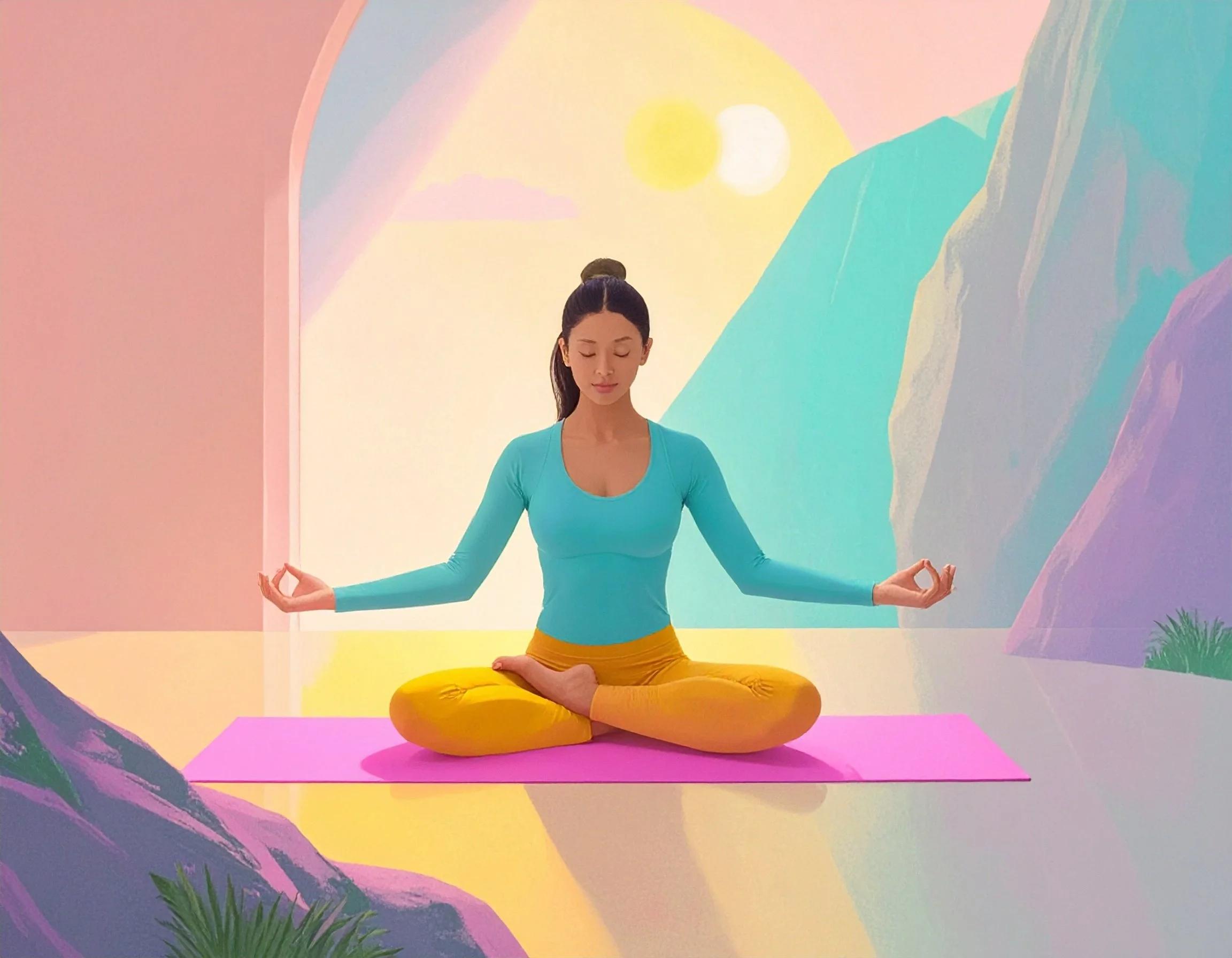
Tips for yoga practitioners:
Embrace yoga as a lifestyle, not just exercise. Integrate the eight limbs: asanas, breathwork (pranayama), meditation, and ethical practices like kindness and discipline. The more yoga informs daily life, the greater the lasting physical and mental benefits.
Prioritize breath and relaxation. Stress often shows as irregular breathing and chronic tension. In each session, relax shoulders, neck, and abdomen and practice slow diaphragmatic breaths to calm the nervous system and release stored tension and emotion.
Allow emotional release and observe off-mat changes. Emotions or tremors may surface - welcome them without judgment. Over time, reactions to stress often lessen and a calmer detachment develops. These shifts signal deep healing.
In short: treat yoga as a lifelong, holistic practice - focus on breath, relaxation, and openness to physical and emotional change to unlock mind-body healing.
Inspired by the research of J.R. Goyeche, Psychotherapy and psychosomatics, 1979
doi: 10.1159/000287361
