Meditation or Marijuana? What science says about finding calm naturally
If you’re passionate about yoga, you probably know that the journey is as much about the mind as it is about the body. Many of us come to the mat seeking relief from stress, anxiety, or a restless mind. But what if the same inner peace we chase in our yoga practice could also help people step away from habits like marijuana use? Fascinating research from the 1970s offers some scientific perspective on this very question - and its findings are surprisingly relevant today.
The Search for Peace: Ancient Questions, Modern Challenges
Thousands of years ago, the Persian sage Zarathustra pondered how humans might find joy and a peaceful mind. Fast forward to today, and that quest is as urgent as ever. With modern life’s pressures, it’s no wonder so many people look for ways to calm their minds—sometimes turning to substances like marijuana, especially among students and young adults. In fact, by the early 1970s, more than half of American college students had tried marijuana, a dramatic jump from just a few years earlier.
But is there another way? Can practices like meditation - so often woven into the fabric of yoga - offer a healthier, more sustainable alternative?
Meditation vs. Marijuana: What Happens When You Choose Mindfulness?
Researchers set out to explore this by looking at people who practiced Transcendental Meditation (TM), a popular meditation technique. They surveyed over 100 meditators and compared them to a similar group of non-meditators, asking about their marijuana use before and after starting meditation. The meditators had all been practicing TM for at least a month, and their habits were tracked for up to three years.
The results were eye-opening: Before they started meditating, the TM group actually used marijuana about twice as often as the non-meditators. But within just three months of beginning their meditation practice, nearly half of them had either cut back or stopped using marijuana entirely. Among non-meditators, only about 15% made similar changes in the same time frame.
Even more impressive, the longer people stuck with their meditation practice, the less likely they were to use marijuana. For those who kept up with meditation for a year or more, marijuana use dropped from nearly 10 times a month to just about once a month. Meanwhile, the non-meditators’ habits didn’t change much at all.
Why Does Meditation Help?
For anyone who practices yoga, this might sound familiar. Meditation seems to tap into the same needs that often drive people to use substances in the first place: the desire for relaxation, stress relief, and even a sense of higher consciousness. Meditation, like yoga, offers a natural, side-effect-free way to meet those needs - no chemicals required.
The Power of Commitment
One important detail stands out: Not everyone who tried meditation stuck with it. About a third of the people who started TM eventually stopped. But among those who kept up their practice, the benefits were clear. This echoes what many yoga practitioners know from experience: the real transformation comes with consistency and dedication.
What This Means for Yogis and Wellness Seekers
So, what’s the takeaway for those of us on the yoga path? Whether you’re looking to manage stress, break a habit, or simply deepen your sense of inner peace, meditation is a powerful tool. Just like yoga, it’s not about quick fixes - it’s about showing up for yourself, day after day.
If you’re new to meditation, start small. Even a few quiet minutes a day can make a difference. And if you’re struggling with habits you’d like to change, know that you’re not alone - and that the mindful practices you already love may be more powerful than you think.
A Deeper Perspective: Meditation as a True Alternative
What truly stands out from this research is the idea that meditation isn’t just a way to relax or “take the edge off” - it can actually serve as a real, sustainable alternative to using substances like marijuana. People who stick with meditation are much more likely to naturally reduce or even stop their marijuana use, not because they’re forced to, but because meditation fulfills the same needs for relaxation, stress relief, and a sense of deeper well-being.
For the yoga and wellness community, this is powerful knowledge. The practices we already value - like meditation and mindful movement - aren’t just healthy habits; they can be transformative tools for lasting change. Scientific evidence now supports what many yogis have long felt: when we commit to practices that nurture the mind and body, we may find ourselves letting go of old habits that no longer serve us, almost effortlessly.
It’s a hopeful message for anyone looking to make positive changes - your yoga and meditation practice might be more powerful than you think!
The Bottom Line
Science backs up what yogis have known for centuries: true calm and clarity come from within. Meditation isn’t just a way to relax - it can be a life-changing practice that helps you let go of old habits and embrace a healthier, more joyful way of living.
So next time you roll out your mat, remember: the peace you’re seeking is already inside you. Meditation can help you find it - no substances needed.
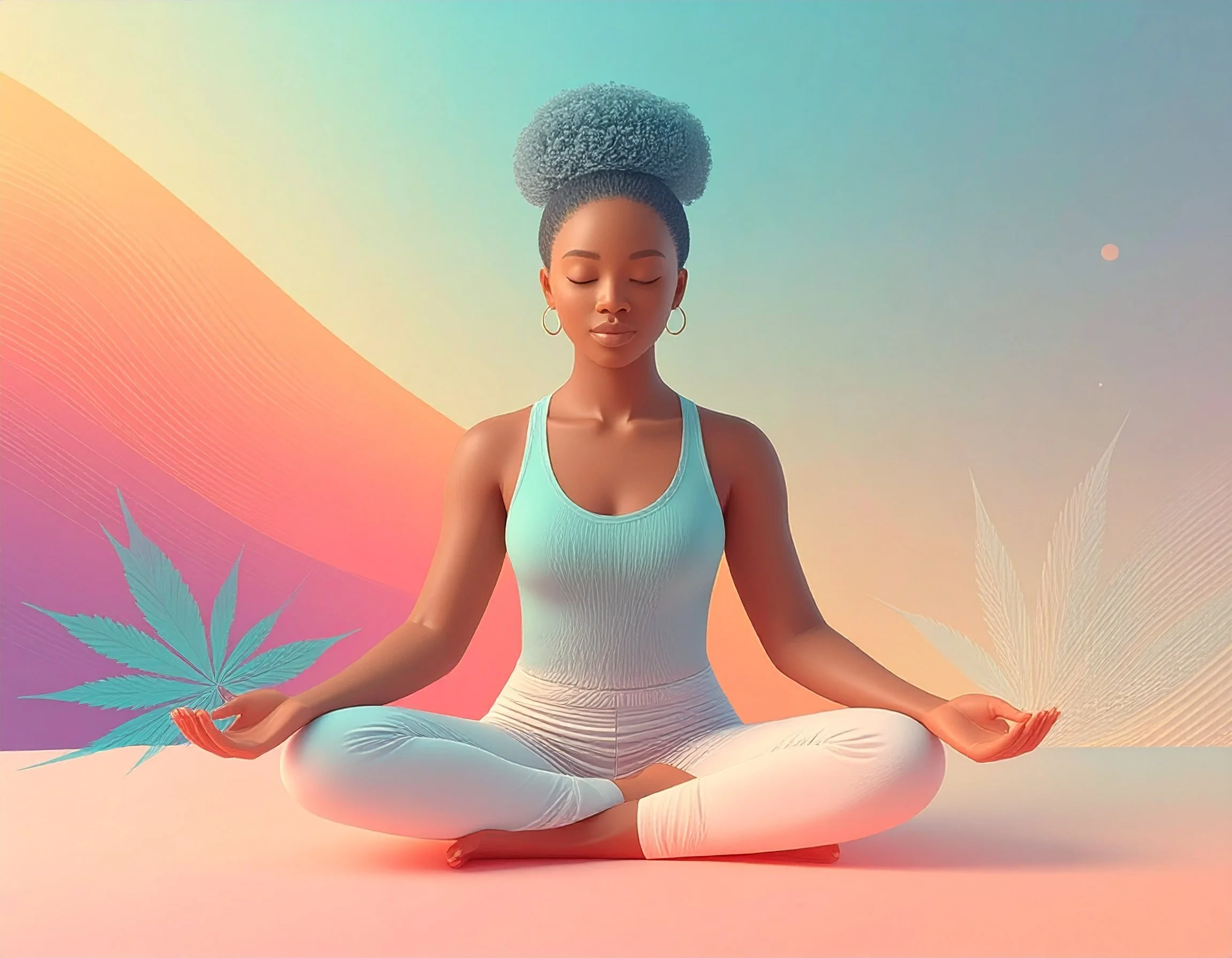
Tips for yoga practitioners:
Make Meditation a Habit
Consistent meditation boosts well-being and reduces habits like marijuana use. Aim for daily 15-20 minute sessions.
Start Small
Begin with short mindful breathing or guided sessions. Gradually increase as comfort grows to ease old habits and deepen calm.
Combine with Yoga
Add meditation at the end of yoga for enhanced peace and fulfillment, supporting holistic wellness.
Use these steps to make meditation a sustainable path to health and inner peace.
Inspired by the research of M. Shafii & colleagues, The American journal of psychiatry, 1974
doi: 10.1176/ajp.131.1.60
