Yoga and your neck: Practicing mindfully for lifelong wellness
If you’re passionate about yoga, you’ve probably experienced its incredible benefits - greater flexibility, a calmer mind, and a sense of connection to your body. But have you ever wondered about the safety of some of those deep neck stretches or inversions? While yoga is generally safe and nourishing, a rare medical case from the 1970s offers a valuable lesson about listening to your body and respecting your limits, especially when it comes to your neck.
Imagine stepping into the shoes of a dedicated yogi - a healthy 25-year-old man who had practiced yoga every morning for a year and a half. His routine was intense: he would rotate and extend his head to each side for three minutes, then spend five minutes in a shoulder stand with his neck and shoulders pressed hard against the floor. One morning, after finishing his usual session, he started feeling pins and needles on one side of his face, followed by dizziness and blurred vision. Soon, he couldn’t walk without help and had trouble controlling the movements on one side of his body.
Doctors discovered that he had developed a blockage in one of the arteries that supply blood to the brainstem - specifically, the vertebral artery, which runs through the neck. This blockage caused a stroke-like event, leaving him with lasting difficulties in walking and fine motor movements. The likely culprit? The extreme neck positions and pressure during his yoga practice, which may have injured the artery.
This might sound alarming, but it’s important to keep things in perspective. Such cases are extremely rare. In fact, only one other similar event has been described in medical literature, involving a young woman who developed neurological symptoms after performing the “bridge” pose, which also involves deep neck extension. Both individuals were young and healthy, with no underlying vascular or spinal disease. This suggests that even in healthy people, forcing the neck into extreme positions - especially for prolonged periods - can, in rare circumstances, compromise blood flow to the brain.
What does this mean for you as a yoga lover? First, it’s a reminder that yoga should always be about tuning into your body, not pushing past pain or discomfort. Most yoga poses are safe and beneficial when practiced mindfully and within your personal range of motion. However, it’s wise to approach deep neck stretches, rotations, and long-held inversions with extra care. If you ever feel pain, dizziness, or tingling during a pose, gently come out of it and rest. Use props like blankets and mats to support your neck, and don’t hesitate to modify or skip poses that don’t feel right for you.
If you have a history of neck injury, vascular problems, or other health concerns, it’s a good idea to talk to your doctor or a knowledgeable yoga teacher before attempting advanced postures. Remember, yoga is not a competition - it’s a lifelong journey of self-discovery and well-being.
Beyond the cautionary tale, this rare case has generated some new and important insights for the yoga and wellness community. It turns out that even healthy, young individuals - with no prior history of vascular or spinal disease - can, in rare circumstances, suffer vascular injuries from yoga. This challenges the common belief that only people with underlying health issues are at risk for such complications. Certain yoga postures, if performed with extreme neck flexion, extension, or rotation (especially for long durations or with excessive pressure), can exceed what the vertebral arteries can safely tolerate.
There’s also a lesson about subtle trauma and cumulative effects. Minor, perhaps even unnoticed, trauma - such as a previous neck strain or repeated pressure on the cervical spine from hard surfaces - may set the stage for a more serious event. In the case described, the yogi had a mild neck strain weeks earlier, and bruising was found over his neck vertebrae from repeated yoga practice on a hard floor. This points to a cumulative risk - something not widely discussed in yoga safety literature.
All of this highlights the importance of individualized yoga practice. Yoga is not one-size-fits-all. What’s safe for one person may not be safe for another, even among young and healthy practitioners. Factors like anatomical differences, previous minor injuries, and even the surfaces used during practice can all play a role.
For yoga teachers and studios, this means being aware that rare but serious vascular events can occur, even in young and healthy students, if extreme neck positions are held for long periods or performed forcefully. Students should be encouraged to avoid pushing into discomfort, especially in neck-intensive poses, and to use props or modify as needed. Medical professionals, too, might consider recent yoga practice as a potential factor when diagnosing unexplained neurological symptoms, even in patients without classic risk factors.
Ultimately, this story adds a new layer to our understanding of yoga: while it is overwhelmingly safe and beneficial, there is a need for greater awareness of rare but real risks, particularly involving the neck and blood vessels. The knowledge that healthy people can be affected under certain conditions is a call for mindfulness, education, and individualized practice - ensuring that yoga remains a source of wellness for all.
The takeaway from this rare case isn’t to fear yoga, but to practice it with awareness and respect for your body’s signals. By progressing gradually, seeking guidance when needed, and honoring your own boundaries, you can enjoy all the transformative benefits of yoga - safely and joyfully - for years to come. So the next time you step onto your mat, let your practice be a celebration of mindfulness, self-care, and the wisdom of listening to your body.
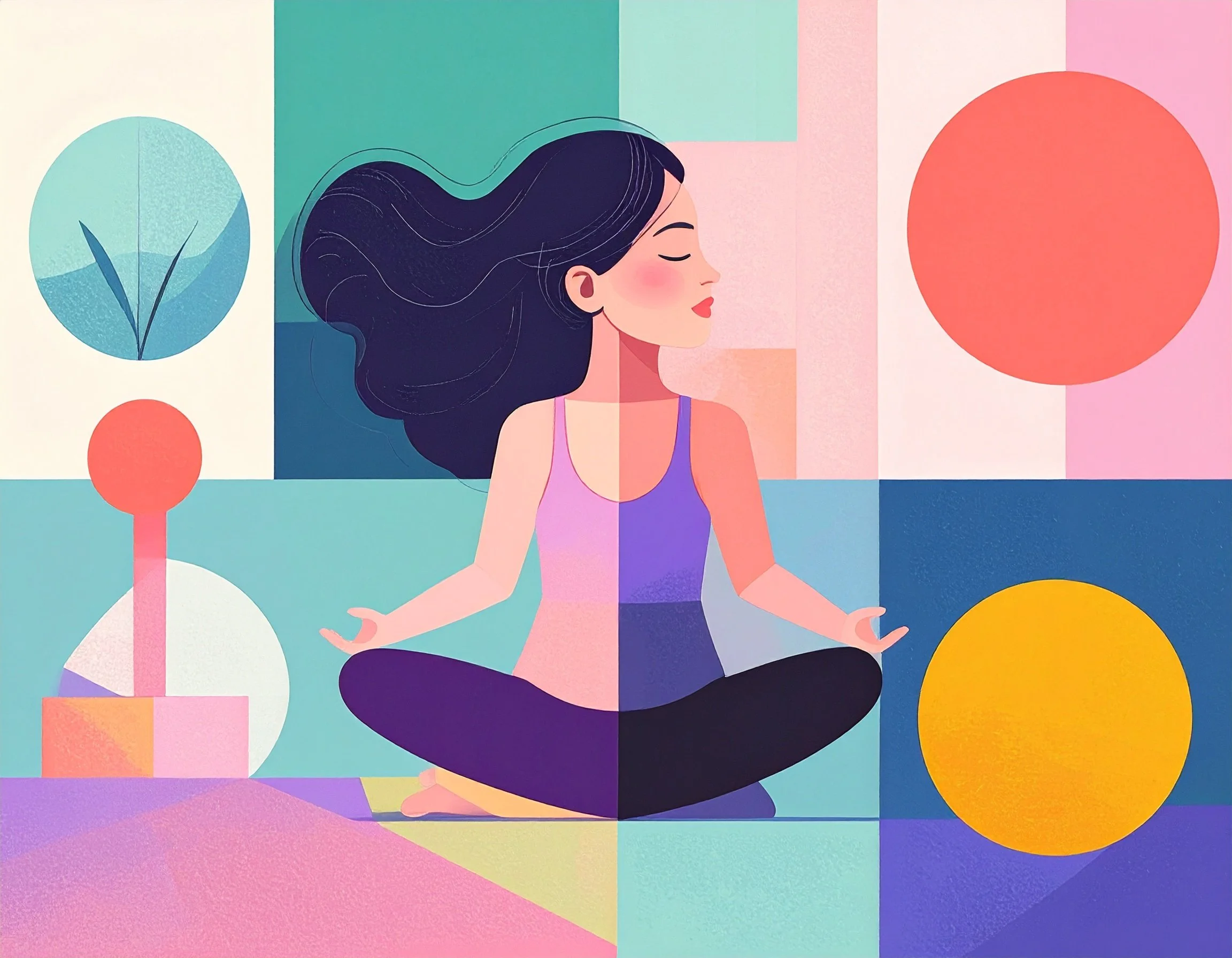
Tips for yoga practitioners:
Avoid holding your neck in extreme or deep bends for a long time, especially in poses like shoulder stands or bridges where you feel strain. This can harm even healthy people if the neck is pushed too far.
Use a soft mat and props like blankets to support your neck and shoulders, especially in inversion poses. This helps protect your neck from injury caused by hard surfaces.
If you feel pain, dizziness, tingling, or any unusual feelings in your neck or head during yoga, stop the pose and rest. Feel free to skip or change poses that don’t feel right, and talk to a yoga teacher or doctor if you have neck or circulation problems.
Yoga is about listening to your body and growing safely. Respect your limits to enjoy yoga’s benefits without injury.
Inspired by the research of S.H. Hanus, Archives of neurology, 1977
doi: 10.1001/archneur.1977.00500210076015
