Finding home on the sidewalk: What a 1970s urban ashram teaches us about yoga, healing, and community
If you’ve ever wondered why yoga feels so much more powerful when practiced in a group, or why so many people are drawn to Eastern spiritual traditions, the story of a 1970s sidewalk ashram in New York City might offer some surprising answers. This real-life tale, observed and recorded by a psychiatrist, gives us a fascinating, science-informed look at the deep psychological needs that yoga and spiritual communities can fulfill.
The Sidewalk Ashram: A Real-Life Urban Yoga Community
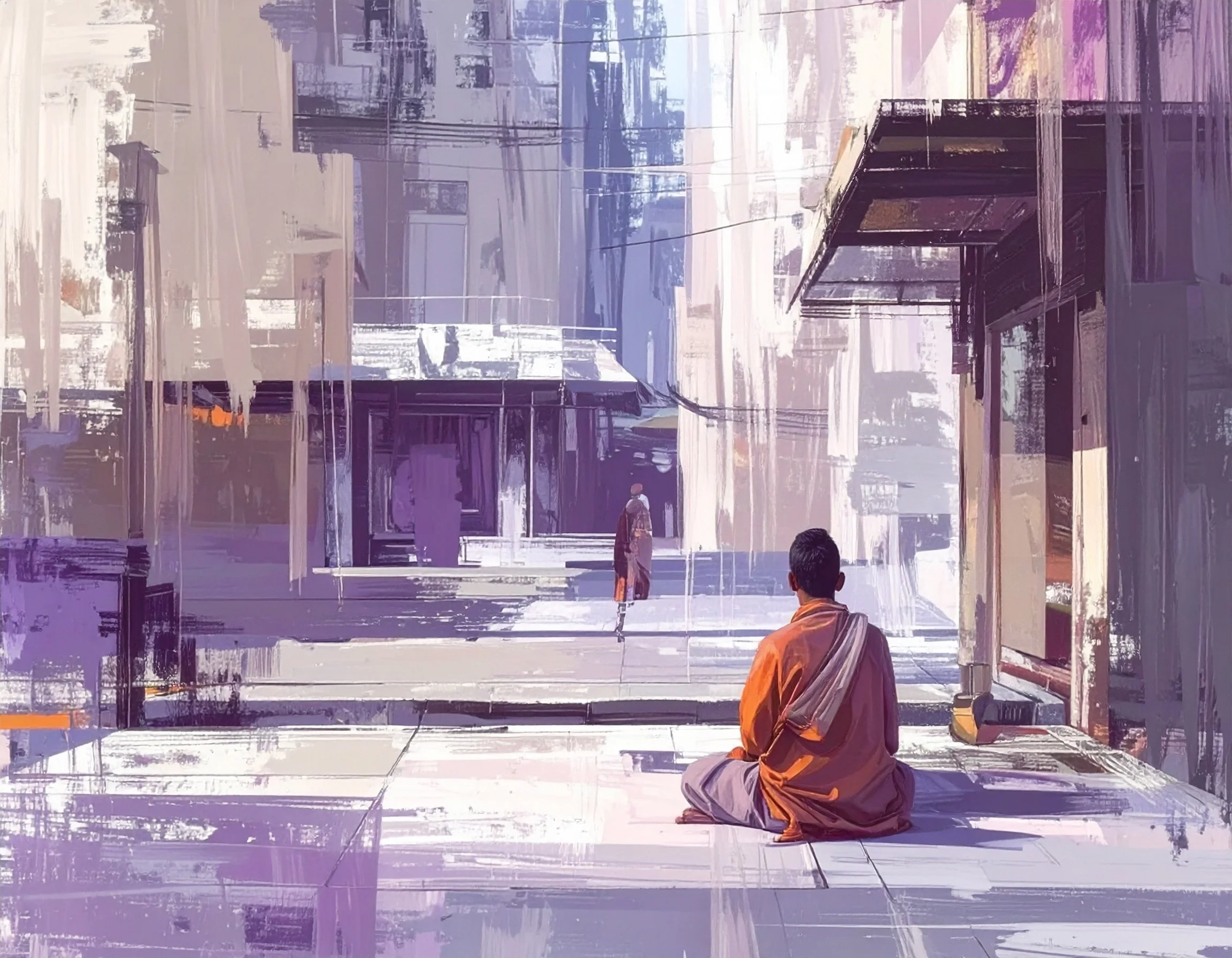
Picture yourself walking through Central Park and stumbling upon a group of people sitting cross-legged on the sidewalk, sharing food, meditating, and chanting together. At the center is Baba, an American-born guru who, after his own turbulent life and a transformative trip to India, returned to New York dressed as a Hindu holy man. He barely spoke, instead communicating through a sign language he invented with his closest disciple. Yet, his presence was magnetic. People from all walks of life - many young, educated, and searching for meaning - gathered around him, forming what they called a “family.”
This wasn’t a formal yoga studio or a meditation retreat. It was a spontaneous, open-air ashram, held together by simple rituals: sharing vegetarian meals, welcoming newcomers with a heartfelt “welcome home,” and spending hours in group meditation and chanting. Even in the freezing winter, the group huddled together under makeshift tents, supporting each other through the challenges of city life.
Why Did People Join? The Science of Belonging and Healing
Stories from the ashram’s core members reveal something many yoga practitioners will recognize. Most described years of struggling with anxiety, depression, or a sense of not fitting in - often stemming from difficult family relationships or feeling out of step with the world around them. For many, previous experiences with psychedelics had opened them to mystical states, but left them searching for something deeper and more lasting.
When they joined Baba’s community, something changed. Members reported feeling happier, more at peace, and even blissful at times. The ashram became a kind of surrogate family, offering the warmth, acceptance, and sense of belonging that many had missed growing up. Baba’s teachings - rooted in the devotional path of bhakti yoga and the wisdom of the Bhagavad Gita - encouraged them to let go of ego-driven desires and to focus on love, service, and non-attachment. In this nonjudgmental environment, people felt safe to open up, heal, and grow.
Modern psychology backs up these observations. Social connection and a sense of belonging are now recognized as key factors in mental and emotional well-being. When we practice yoga or meditation in a group, or when we feel truly accepted by a community, our brains release “feel-good” chemicals like oxytocin and serotonin. This can help reduce stress, ease anxiety, and even promote healing from past trauma.
What Can Today’s Yogis Learn?
The story of Baba’s sidewalk ashram is a powerful reminder that yoga is not just about poses or philosophy - it’s about connection, both to ourselves and to others. Community matters. Whether it’s a group class at your local studio or an online sangha, practicing together can amplify the benefits of yoga and meditation. Simple rituals - like sharing food, chanting, or even just greeting each other warmly - can create a sense of belonging and safety that is deeply healing. A nonjudgmental, loving environment is essential. When we let go of criticism and embrace acceptance, we create space for real transformation.
And, perhaps most importantly, the search for meaning is universal. Many people come to yoga and wellness because they’re seeking something more - whether that’s peace, purpose, or connection. Authentic spiritual practice, especially when shared in community, can offer exactly that.
The Takeaway: Welcoming Each Other Home
The sidewalk ashram of the 1970s may seem worlds away from today’s yoga studios, but the lessons are timeless. When we come together in the spirit of love, service, and acceptance, we create spaces where everyone can feel truly “welcome home.” And as both ancient wisdom and modern science show, that sense of belonging may be the most powerful medicine of all.
So next time you step onto your mat - whether alone or with others - remember: yoga is not just a personal practice, but a path to connection, healing, and homecoming.
Reflecting on New Directions for Yoga and Wellness
Stories like this challenge our usual ideas about where healing and transformation can happen. One of the most striking insights is that powerful spiritual and psychological support doesn’t have to come from formal institutions or structured yoga studios - it can emerge organically, right in the heart of a busy city, when people come together around shared practices and acceptance.
This opens up exciting possibilities for the yoga and wellness community. Imagine more open, informal spaces - maybe even “pop-up” yoga gatherings or meditation circles in parks or public areas - where anyone can join, feel welcomed, and experience the benefits of community and shared ritual. The sidewalk ashram shows that, for many, the real magic of yoga and spiritual practice lies in the sense of belonging and unconditional acceptance, not just in technique or tradition. Sometimes, the most profound healing happens when we simply sit together, share, and welcome each other home.
Tips for yoga practitioners:
Find or start a group to practice yoga or meditation together. Whether in a studio, park, or informal setting, group practice boosts connection and well-being. If no groups exist nearby, create a small, welcoming one.
Use simple, friendly routines like sharing tea or warmly greeting new members before or after practice. These habits help build a safe, supportive space that enhances healing and deepens the practice.
Encourage acceptance and avoid judgment in yourself and your group. Let go of criticism to make room for true growth and positive change, which supports better mental health and openness.
Inspired by the research of A. Deutsch, Archives of general psychiatry, 1975
doi: 10.1001/archpsyc.1975.01760200030002
